
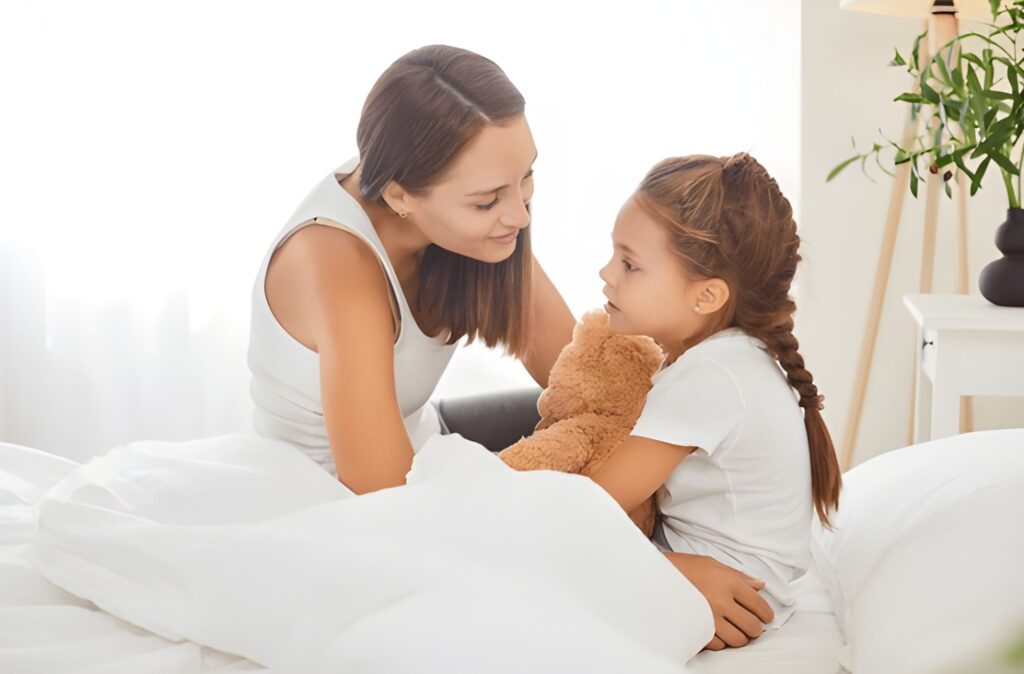
Why Children Listen Softly? is the main question topic for parents. Kids are naturally curious, sensitive, and aware of how other people feel. One of the most interesting things that parents notice about their kids is that they tend to listen softly. They respond better to calm tones, gentle instructions, and communication that makes them feel safe. This behavior may seem simple, but it shows deep patterns in the brain, emotions, and the environment.
Caregivers, teachers, and parents can talk to kids in ways that build trust, learning, and emotional growth if they know why kids listen softly. We’ll talk about the science behind soft listening, the importance of emotional safety, how personality and environment affect communication, and how adults can help kids listen better without yelling in this article.
1. Why Children Listen Softly? The Science of a Child’s Soft Listening
Kids’ hearing and emotional systems grow slowly from birth to the teenage years. Their brains are like open sponges that soak up not only sounds but also tone, rhythm, and emotional energy.
- Sensitivity of the Nervous System:
The auditory cortex in young children is very sensitive. This is the part of the brain that processes sound. Their nervous systems are still growing, so loud or harsh sounds can easily overwhelm them. Because they are sensitive, they are naturally more open to soft tones and gentle speech.
- Fight or Flight Response:
When kids hear yelling, loud noises, or sudden changes in tone, their brains release stress hormones like cortisol. This makes them anxious or withdrawn and makes them want to “fight, flight, or freeze.” Because of this, they might seem like they’re not paying attention, but their nervous systems are actually overloaded.
- Soft Listening as a Way to Stay Safe:
A lot of the time, kids choose soft tones without thinking about it to keep their emotions in check. Soft listening makes them feel safe, in control, and connected. It’s how their brains keep them from getting too excited and upset.
2. Being emotionally sensitive and needing safety
How kids talk to each other has a big impact on their emotional growth. They learn early on that tone can mean more than words.
Children’s brains think that adults are safe when they talk to them in a calm and kind way. Learning and working together thrive in emotionally safe environments. On the other hand, yelling, scolding, or speaking quickly turn on fear circuits, making it hard to listen well.
Why Softness Works:
- It makes emotional defenses weaker.
- It makes people more interested and focused.
- It makes people trust each other and feel closer.
For example, when a parent says, “Let’s clean up together,” in a calm voice, the child feels like they are part of the family and that their parent cares about them. If the same sentence is yelled, it is seen as criticism instead of cooperation.
Advice for Parents:
Kids pay more attention when they feel safe emotionally. The more calm you are, the more they will listen.
3. Learning by Watching
Kids are great at copying what they see. They watch how adults talk long before they can speak clearly. They pay attention to tone, facial expressions, and rhythm and use these as guides for how they should act.
- Mirror Neurons at Work:
Neuroscientists have found “mirror neurons,” which let kids copy how other people act and feel. When parents or teachers always speak softly, kids naturally follow suit.
They learn to talk to each other in a calm way over time. On the other hand, places where people yell or things are chaotic often teach kids to ignore, defend, or react violently.
- Example from Real Life:
A preschooler who grew up in a calm home may whisper or speak softly even when they are with other people. This is how they learned to talk. This isn’t being shy; it’s being emotionally in line.
4. How the environment affects how people listen
How a child listens and responds is affected by their surroundings. Communication is affected by the noise level, routine, and emotional energy in a home or classroom.
- Homes that are quiet and voices that are soft:
Kids who live in quieter homes tend to learn how to listen well because their brains aren’t always filtering out background noise. In these kinds of places, they learn that listening quietly helps them remember things better.
- Loud or Unstable Places:
Kids who grow up in loud or unpredictable places often learn to “tune out” to keep themselves safe. Their auditory systems may be overstimulated, which makes them look like they’re not paying attention or are distracted.
Schools Are Important Too:
Teachers who speak softly and keep the classroom quiet help students stay focused and respect each other. In classrooms where people are encouraged to shout over each other, people often stop listening and get more stressed.
- Tip for Teachers:
When you give instructions, speak in a clear, calm voice. When you lower your voice, kids often quiet down and pay more attention. This is a strong psychological cue.

5. How Personality Affects Soft Listening
Not all kids listen softly for the same reasons; their personalities are a big part of it.
- Shy and Sensitive Kids:
Kids who are introverted usually think about things before they answer. They like to stay calm and don’t like to be rushed. Soft listening is a natural part of who they are.
- Kids Who Are Kind:
Children who are very empathetic are very aware of how other people feel. They can tell when the tone and facial expression change. They don’t like loud or harsh speech because it can be too much for them. They like places where they can control their emotions.
- Children who are outgoing or full of energy:
Even kids who are active or loud can benefit from quiet times. They might talk a lot, but calm communication helps them refocus and connect with their feelings.
- Parental Awareness is Important:
Knowing how your child likes to talk can help you avoid fights that don’t need to happen. Don’t call them “quiet” or “stubborn.” Instead, understand that the way they listen is a sign of their personality and emotional safety.
6. How Tone and Body Language Affect Emotions
Listening softly isn’t just about what you hear; it’s also closely related to **non-verbal communication**.
Kids figure out what people mean by looking at their faces, posture, and eye contact. A calm face and relaxed body language say, “You’re safe.” But crossed arms, tense muscles, or frowns can say, “I don’t like you,” even if your words are nice.
- Why Body Language is Important:
Research shows that as much as 70% of communication is not spoken. Kids are naturally more likely to respond to this than adults. They are more likely to talk to you softly and openly when they see that you are calm and warm.
- Helpful Hint:
When you talk to a child, get down on their level or sit down. It makes things fair and safe, which makes them more likely to listen carefully and without fear.
Here is the Link to Read More Articles:
Why Child Vomits After Eating? 5 Shocking Reasons
7. What Parents’ Energy and Emotions Do
Kids are like mirrors for emotions. They take in the adults’ mood and energy. The child can tell when a parent is anxious, angry, or in a hurry, and this makes them less likely to listen.
- Energetic Synchrony:
When you lower your emotional energy (by breathing slowly or speaking in a calm voice), your child’s nervous system syncs up with yours. Psychologists call this “emotional attunement.” That’s why gentle parenting works: it doesn’t control, it makes things emotionally balanced.
- How to Use Energy to Connect:
1. Before you talk to your child, take a deep breath.
2. Even if you’re impatient, speak slowly and softly.
3. After giving instructions, take a break so the child can think about what you said.
4. Instead of giving orders, ask people to do things with you.
Your child’s soft listening habits will grow over time as you learn to stay calm.
8. How Listening Helps You Learn
Soft listening has a direct effect on how kids learn. When kids are calm, their brains go from being in a “defensive state” to a “learning state.” This change makes it easier to remember things, focus, and solve problems.
- Calm Brain = Open Mind
In neuroscience, this is due to the balance between the “amygdala” (the part of the brain that controls emotions) and the “prefrontal cortex” (the part of the brain that controls thinking). Stressful or loud communication activates the amygdala, which makes it harder to learn. Soft sounds calm the amygdala, which lets the prefrontal cortex take in and store new information better.
- A Real-Life Example:
When a teacher explains a math problem in a calm way and gives the child time to think, the child understands it faster and remembers it longer than when they are rushed or scolded.
- Advice for Parents:
Instead of yelling, try whispering if your child isn’t listening. A sudden change to a softer tone often gets people’s attention and makes them want to know more.
Conclusion
Kids listen softly because they are very aware of emotional tone, safety, and calm energy. Their brains are set up to respond to warmth, not sound. Parents and teachers can turn communication from a daily battle into a shared language of respect and empathy by understanding this.
Soft listening is more than just a behavior; it’s a way to see how a child is feeling. When we combine their softness with patience, calmness, and understanding, we don’t just help them listen better; we also help them love, trust, and talk from the heart.