

Weather shapes children’s emotions in ways we often overlook.Kids see, smell, touch, and feel life much more clearly than adults do. A single drop of rain, a sudden gust of wind, or the warmth of the sun can change how they feel in surprising ways. We don’t always realize how closely the weather affects how kids feel.
Weather affects more than just what kids wear or where they play; it also affects their “energy, creativity, attention, and emotional rhythm.”Knowing this link can help parents, teachers, and caregivers help kids deal with their moods and use nature’s changing tones to keep their emotional balance.
1. The Hidden Connection Between Weather and Feelings
Our bodies and minds are naturally linked to the world around us. Children’s brains are still growing, so they react even more strongly than adults do to gloomy days or sunny days. Their emotional systems are still figuring out how to change.When we talk about “weather and children’s emotions”, we’re really talking about how the sun, temperature, air pressure, humidity, and sound change a child’s body chemistry and mental state. For instance:
- Bright light makes “serotonin”, the “happiness chemical,” work better.
- Depending on the child’s personality, rain and thunder can make them feel stressed or calm.
- Cold weather might make people want to cuddle, use their imaginations, and think about themselves. Warm weather, on the other hand, might make people want to be active and social.
Kids are like emotional weather vanes; they often reflect the weather around them.
2. Sunny Days: The Happiness of Warmth and Light
Most kids wake up happier on sunny mornings. Sunshine naturally raises levels of serotonin and vitamin D, both of which are linked to a good mood and being awake.
How Sunlight Affects Kids
1. More Energy: Longer days make people want to play outside, which releases endorphins.
2. Better Focus: Natural light helps you remember things and stay focused.
3. Emotional Openness: Sunlight makes people laugh, share, and feel good about themselves.
Insight from Parents
Encourage your kids to play outside in the morning or early afternoon. Let kids run, climb, and enjoy the warmth. Pay attention to how their tone gets lighter, their faces get more expressive, and their worries get smaller when you talk. That’s the weather acting like medicine for the mind.
3. Rainy Days: The Soft Beat of Peace and Thought
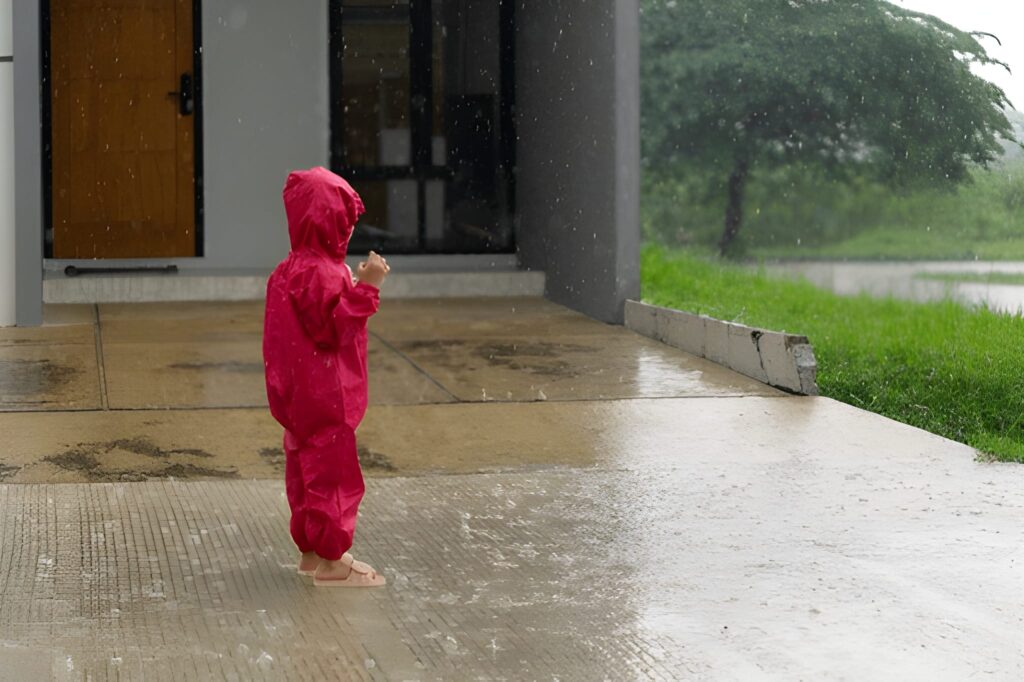
Rain has a unique emotional quality. The sound of raindrops on windows, the low light, and the warm feeling of being inside can make you feel calm or sad.
How We Feel on Rainy Days
Calm and creativity: The sound of rain falling in a pattern can calm the nervous system and spark creativity. When it rains, a lot of kids find it easier to draw, read, or make up stories.
Sensitivity and mood swings: Some kids get quieter and even sadder when the light is low because it lowers serotonin.
Stronger bonds: Families tend to spend more time together inside, which makes them feel more comfortable.
Advice for Parents
Use rainy days to help you become more aware of your feelings. Say, “How does the rain make you feel today?””Let your child say it with words, art, or movement.” On days like this, teaching kids emotional vocabulary helps them become more aware of themselves for the rest of their lives.
4. Windy Weather: Fun, Chaos, and Energy
Wind makes things move, and moving things makes people feel things. When the wind picks up, kids often get more active, restless, or creative.
Why Wind Affects Kids
- Auditory stimulation: Whistling sounds and rustling leaves make people more aware of their senses.
- Physical sensation: The air pushing against the body makes you feel free and playful.
- Emotional mirroring: Just like trees sway, kids’ inner energy also moves.
Keeping Kids Grounded
Windy weather can be too much for some kids who are sensitive. Try grounding activities like hugging, breathing slowly, wrapping up in a blanket, or telling stories. This makes them feel safe even when nature is crazy.
5. Winter and cold weather feelings
Winter tends to make everything move more slowly, even feelings. When the days get shorter and the air gets colder, people tend to spend more time inside and less time in the sun. For some kids, that makes them angry or sad, but for others, it makes them feel better.
How People Feel in the Winter
1. Thinking and imagining:When it’s cold outside, it’s nice to do quiet things like draw, read, or build.
2. Closeness and comfort: The need for warmth makes people more physically affectionate, which can make relationships stronger.
3. Possible low mood: Some kids get “winter blues” because there isn’t enough sunlight.
Tip for Parents
Warm drinks, soft blankets, and telling stories together are all great ways to fight low energy. To let in natural light, light candles or open the curtains. Use the warmth of your family to balance out the cold of nature.
6. Spring: New beginnings, curiosity, and emotional growth
Spring is nature’s way of reminding us that there is always hope and new beginnings. For kids, it often makes them feel light and curious.
The emotional effects of spring
New motivation: Longer days make people want to learn and explore again.
Sensory joy: Flowers, colors, and fresh smells make you more creative.
Emotional regulation: The mild weather and beauty bring balance back after the heaviness of winter.
Get people to walk in the garden, do art outside, or plant seeds. Watching nature grow teaches kids how to be patient and connect with others. This is a strong metaphor for emotional healing.
7. Fall: Weather shapes children’s emotions
Autumn has a soft sadness that helps kids learn about change. Kids see how beautiful it is to let go as the leaves fall and the colors fade.
Feelings in the Fall
- Acceptance of change: They don’t think change is scary; they think it’s normal.
- Nostalgia and comfort: Warm colors, comfortable clothes, and family get-togethers make you feel safe emotionally.
- Balance of energy: When it’s cooler outside, it’s a good time to think and be thankful.
Parents can talk about cycles in nature, emotions, and growth in the fall. Kids learn how to be emotionally strong when they see that sadness and happiness can happen at the same time.
8. Fear, Awe, and the Power of Reassurance in Storms
Thunder, lightning, and heavy rain can make people both scared and interested. A storm is like a child’s strong emotions: loud, unpredictable, and powerful.
How Storms Make Us Feel
Fear of the unknown: Kids can be scared by sudden sounds or flashes.
Curiosity: Some kids are amazed by how powerful nature is.
Dependence: Storms often make kids depend on their caregivers for safety.
Helping Kids Get Through Storms
Your calm presence is everything when there are storms. Say, “It’s okay to feel scared,” instead of telling them to stop being afraid. Sometimes even big skies make noise.Holding, humming, or explaining how thunder works helps them turn their fear into interest.
9. How Light and Color Affect Kids’ Feelings
Light quality and color: have a big effect on emotions, even more than temperature or rain.
Bright, natural light: Makes you happier, more focused, and more alert.
Soft, gray light: Makes you feel calm or think about things.
Artificial lighting: Light that is too bright or too dim can make you feel restless or tired.
Easy Changes Around the House
- Let natural light into the rooms where kids play.
- Use warm lamps at night to make the room look like it’s sunset.
- Help kids notice how the color of the sky affects how they feel.
This awareness builds sensory intelligence, which is the ability to tell how the environment affects mood.
10. Differences in Personality: Each Child Is Distinct
The weather doesn’t affect all kids the same way. Personality, mood, and how sensitive someone is all matter.
Children who are very sensitive may feel overwhelmed by loud thunder or dark skies.
Kids who are active and outgoing may want to be outside in the sun.
People who are “creative dreamers” often find rain or fog to be inspiring.
Parents should look for patterns. For example, does your child get quieter when it’s cloudy? More fun when the sun is out? These observations help make places that are good for balance.
Here is the link to read related articles:
Desert Resilience Lessons & Moonlight Therapy for Sleep: 7 Lessons
11. Using the weather to teach emotional awareness
You can teach emotional language and empathy through the weather. Try these things:
- “It’s cloudy outside; does your heart feel cloudy too?” Name the mood of the day.”
- Weather journaling: Ask kids to write or draw about how the weather made them feel that day.
- Weather and feelings chart: Use weather icons to show how you feel, like sunny = happy, windy = excited, and rainy = calm or sad.
When kids connect the weather to how they feel, it helps them understand and express how they feel. It is easier to say, “I feel stormy today,” than to say, “I’m mad.”
12. Helping Kids Deal with Weather-Related Moods
Parents and teachers can help kids deal with their feelings when the weather changes:
On gloomy days: Play music, move around, or wear bright colors to cheer yourself up.
On hot days: Make sure there are shady spots, water, and quiet places to be.
During storms: Give comfort, tell stories, or use science to make people feel better.
When it’s cold: Encourage light activity to keep the energy going.
You teach kids how to be flexible, which is one of the most important skills in life, by getting them ready emotionally as well as physically.
13. Nature Awareness for Healing
Being mindful in nature helps you stay emotionally stable. Children learn to be present when they stop to notice clouds, smells, or bird sounds. Being present is an important part of controlling their emotions.
Start with simple mindfulness exercises:
- Cloud breathing: take deep breaths and watch the clouds move.
- Raindrop meditation: close your eyes and listen to the rain.
- Sunshine gratitude: Say one thing you’re thankful for while feeling the warmth on your skin.
These kinds of calm moments create a sense of peace that lasts long after childhood.
14. How to Build Emotional Resilience Through the Seasons
Kids learn that “feelings also pass” by watching the weather change. Rain doesn’t last forever; storms calm down; and the sun comes back.This natural cycle is like emotional growth: each feeling has its own time to be sad, angry, happy, or calm.Tell kids to say, “It’s just a rainy day; it will pass.”This way of thinking turns short-term feelings into lessons in hope and strength.
Conclusion
One of life’s quiet miracles is how the weather affects how kids feel. Every cloud, ray, and drop shows what’s going on in the heart.When parents and teachers pay attention to how kids react to the weather, they get a picture of how they feel.Give them adventure on sunny days, empathy on rainy days, and calm on stormy days.
You teach them that feelings are like the weather: they are normal, temporary, and important.So the next time it rains, stop with your child by the window. Pay attention to the beat.These aren’t just raindrops; they’re little lessons that fall from the sky and help you grow emotionally.