
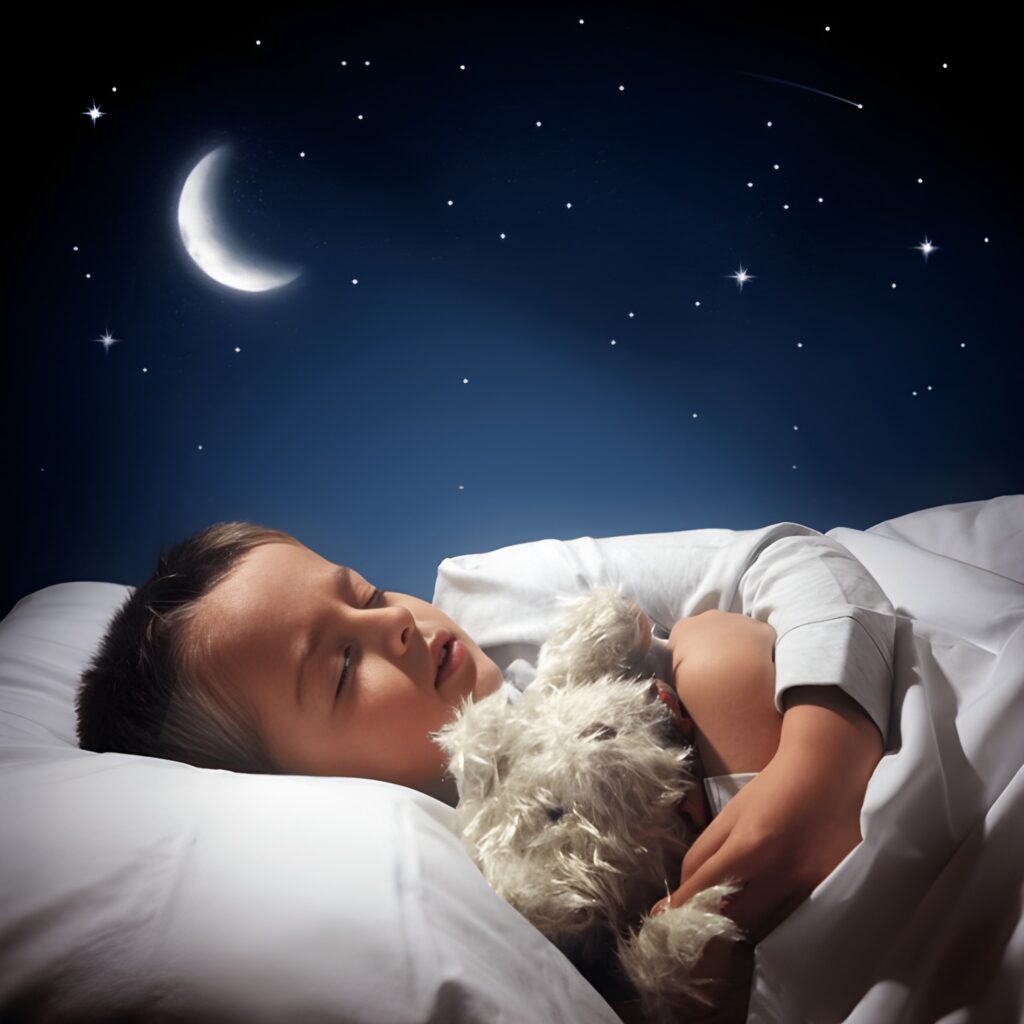
Moonlight therapy for sleep isn’t just poetic; it’s also biological. For hundreds of years, people have slept close to nature, in the soft light of the moon and stars. As artificial light takes over our nights and stress takes over our days, we are rediscovering the healing power of the natural night sky. This is a practice that is often called “moonlight therapy for sleep.“
Moonlight therapy is a gentle, all-natural way to restore calm, balance the nervous system, and control sleep hormones by exposing yourself to natural moonlight. This article talks about how sleeping outside affects your mind, body, and spirit, and how you can use this old knowledge in your modern life.
1. What is Moonlight Therapy?
“Moonlight therapy for sleep” is a natural way to heal that involves spending time or sleeping under the moonlight on purpose to bring your mind back into balance and relax. Moonlight gives off cool, soft wavelengths that affect the body’s circadian rhythm, which is the internal clock that controls sleep, mood, and energy. This is different from the harsh glow of indoor lights or screens.
People used to think that moonlight cleaned and healed. People in ancient cultures, like Ayurveda in India and Taoist traditions in China, thought that moonlight cooled the body, calmed the mind, and fed the spirit. Modern science now confirms that being exposed to natural light at night can help the body release stress and get its hormones back in balance.
2. The Science of Moonlight and the Nervous System
Our bodies are made to respond to the natural rhythms of the day, like the moon’s phases and the sun’s rise and set. When we are around bright artificial light late at night, our “nervous system” gets too much stimulation. This extra stimulation keeps cortisol (the hormone that causes stress) high and melatonin (the hormone that helps you sleep) low.
When you do moonlight therapy for sleep, you give your body a signal of natural darkness. The light is just enough to calm your senses without waking you up. This is what happens in the body:
1. Melatonin Regulation: When you are exposed to moonlight, your pineal gland knows that it is nighttime and starts making melatonin. This hormone helps you get to sleep faster and sleep more deeply.
2. Balancing the Nervous System: Gentle light frequencies turn on the parasympathetic system, which is the “rest and digest” mode. This slows the heart rate and calms the brain.
3. Lowering Cortisol:When stress hormones go down, the body naturally relaxes, which makes it easier to let go of mental stress.
4. Serotonin Harmony: Serotonin, the “feel-good” neurotransmitter, stabilizes when you are regularly exposed to natural light cycles. This makes you feel better and helps you control your emotions.
In short, moonlight gently brings the body back into balance. It’s like a lullaby from nature.
3. Healing your emotions with moonlight
Moonlight has deep emotional meaning that goes beyond science. The soft light of the moon is different from the bright light of the sun. It reminds us that healing can happen in stillness and shadow.
Sleeping outside makes you feel safe emotionally. The huge sky at night can make everyday problems seem small. People often say that when the moon is out, they:
- Feel more at peace and able to think clearly.
- Feel connected to nature.
- Sleep better and wake up feeling lighter in your mind.
This letting go of feelings is part of “nervous system regulation“—when feelings are accepted and calmed down instead of pushed down. Moonlight therapy for sleep can help people with anxiety, burnout, or racing thoughts by gently cleaning out their emotions.
4. The Moonlight and the Old Body Clock
The changes with light and darkness and lasts about 24 hours. Modern life, with its blue light from screens and late-night work, throws this clock off, which causes stress and trouble sleeping.
Sleeping in the moonlight helps reset this rhythm by:
- Lessening exposure to light pollution.
- Getting sleep to start at the same time as natural darkness.
- Calming the hypothalamus, which is the brain’s timekeeper.
When your body’s clock goes back to its normal rhythm, you feel:
- Better sleep quality
- Steady energy all day
- Balanced mood swings
- Clearer thinking
In short, “moonlight therapy for sleep” helps your body remember what it feels like to sleep peacefully.
5. What Moonlight Does to Each Stage of Sleep
Your body goes through different stages of sleep when you fall asleep, such as light sleep, deep sleep, and REM (dream) sleep. The moonlight has a different effect on each phase:
1. Before Sleep: The soft glow makes melatonin release and breathing slow down.
2. Deep Sleep Phase: Lower levels of stress hormones help muscles and tissues heal faster.
3. REM Sleep: When the nervous system is calm, emotional processing and memory integration go smoothly.
Because of this, people who sleep outside or near natural moonlight often say they have more vivid dreams, fewer nightmares, and a feeling of mental “clearing” when they wake up.
6. The Spiritual Element: Getting Back in Touch with Nature
People are a part of nature, not separate from it. When we sleep outside, we get back into a rhythm that our ancestors lived in harmony with.
Moonlight therapy tells us to:
- Take it easy.
- Feel the cycles of life.
- See the beauty in simple things.
- Give up control and let the night take over.
Many people who practice spirituality use the light of the moon to meditate, let go of their feelings, and heal their hearts. People say that the energy of the moon, especially during the full moon, makes people more reflective and forgiving, which helps them let go of heavy feelings before bed.
7. How to Use Moonlight Therapy to Help You Sleep
You don’t have to go camping in the woods to get moonlight therapy. You can do this practice at home or in your backyard with a few simple steps.
Step 1: “Pick Your Night”
The full moon and waxing phases give off the most light, making them perfect for gentle exposure.
Step 2: “Look for a Quiet Place“
It could be a balcony, a roof, a garden, or even a place near a window where the moonlight comes in.
Step 3: “Make Yourself Comfortable“
A yoga mat, blanket, or recliner will do. Stay warm, but not too covered up so that light can reach your face and skin.
Step 4: “Unplug from your devices“
Turn off your phone and all artificial lights 30 to 60 minutes before your moonlight session.
Step 5: “Take a Deep Breath and Look Around“
Spend at least 15 to 20 minutes in the moonlight. Pay attention to your breath. Pay attention to how the light feels on your skin and how your mind starts to calm down.
Step 6: “Before You Go to Sleep, Set an Intention“
Imagine the moonlight gently dissolving something you want to let go of, like stress, worry, or emotional pain.
Step 7: “Sleep in a Natural Way“
If you can, sleep with the curtains on the window slightly open so that the moonlight can come in.
Your body will start to connect moonlight with calm, safety, and rest if you practice it often.
8. The Importance of Fresh Air and Nature Sounds
Sleeping outside or in nature gives you more than just light exposure. The sound of wind, leaves rustling, or crickets in the distance makes your body relax. These natural sounds slow down the heart rate and make breathing patterns match up, which gives you a deep sense of peace.
Fresh air also helps you breathe more oxygen, which makes your brain work better and releases more melatonin. Moonlight and natural sound make the perfect therapy pair for better sleep.
9. The difference between modern life and natural rhythms
Bright lights and electronic screens in modern homes keep our nervous systems “on” long after the sun goes down. Bedroom lights and TV glare can even stop the body from making melatonin for hours.
Moonlight therapy for sleep is like a reset button that reminds the body of what real nighttime is like. You can do the following by replacing artificial light with the gentle rhythm of nature:
- Get to sleep faster.
- Wake up feeling better instead of groggy.
- Feel less anxious and have less trouble sleeping.
- Strengthen your body’s natural circadian cycle.
Set aside one night a week to sleep closer to nature.
Here is the link to read more articles:
How Powerfully Weather Shapes Children’s Emotions: Raindrop Moments
10. Safety and Precautions
Moonlight therapy is usually safe, but here are some things to keep in mind:
- Stay away from cold or damp places; comfort and warmth are important. For safety, pick rooftops or protected balconies if you live in a city.
- If you have sensitive skin, don’t spend more than 30 to 45 minutes in direct moonlight.
- Always put your own safety first. Peaceful places make the effect stronger.
11. Using Moonlight with Other Healing Methods
You can get even more out of moonlight therapy by doing some gentle complementary activities at the same time:
- Meditation: During your moonlight session, think about what you’re grateful for or let go of.
- Journaling: Write down how you feel while you’re outside.
- Gentle yoga or stretching:This helps the body relax before bed.
- Aromatherapy:Use calming essential oils like lavender or sandalwood.
- Mindful breathing: Breathe in deeply and let go of stress; line up your breath with the moon’s phases.
Together, these methods make moonlight therapy for sleep even more relaxing, promoting both physical and emotional balance.
12. Healing Stories: A Personal Connection
A lot of people say that moonlight therapy helps them “remember who they are under the noise.” People often notice after weeks of regular exposure:
- Less anxiety at night
- Fewer racing thoughts before bed
- A stronger sense of gratitude
- Clearer emotions in the morning
Some people even use moonlight to help them heal from trauma because they believe that the night sky is a safe place for their feelings.
This connection shows that nature’s healing power is not just a metaphor; it is very real and very helpful. Moonlight therapy for sleep make your baby to sleep well with full calm and comfortable.
Conclusion: Going back to Nature’s Arms
We spend a lot of time chasing light—screens, lamps, and deadlines—and forget how healing it is to be in the dark. Moonlight therapy brings us back to the natural rhythm of life, where rest is sacred and simplicity brings things back into balance.
When you lie under the stars, you think of:
- The ground is solid under your feet.
- The sky goes on forever above you. Your body can heal itself if you give it some peace.
“Moonlight therapy for sleep” isn’t just another health trend. It’s about going back to what people have always done: letting the night calm us down.Tonight, turn off your lights, go outside, and look up. Let the moonlight remind your nervous system that you are part of something big, gentle, and always healing.
.