
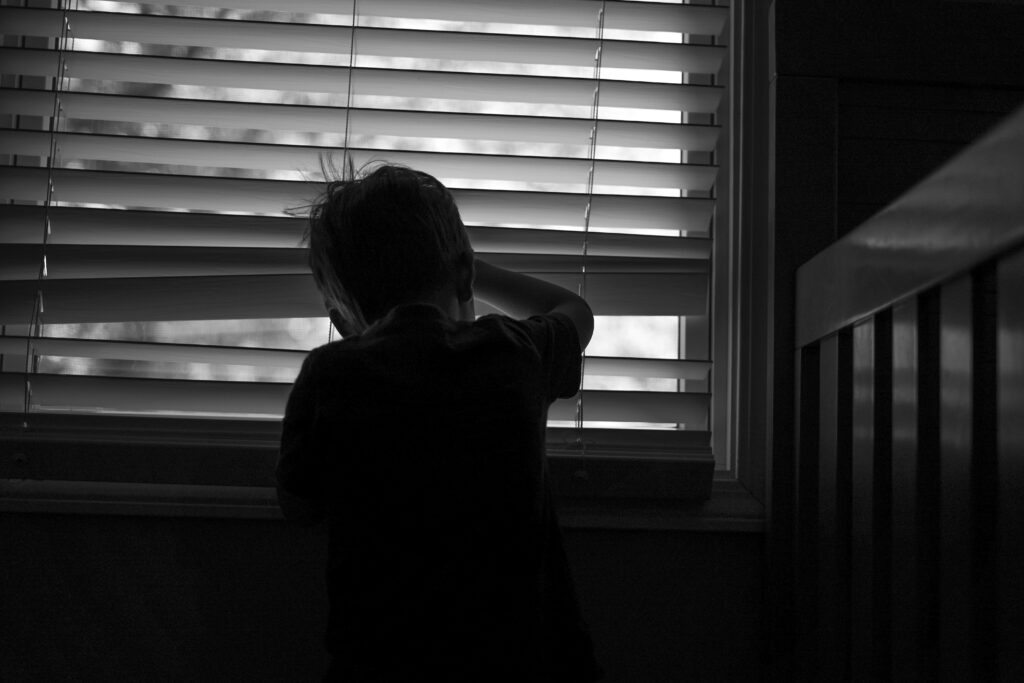
Generational trauma in children often shows up in subtle but powerful ways. Fear can be passed down from one generation to the next—not in our DNA, but in the stories we tell, the way we react to stress, how we raise our kids, and the emotional environment we create around them. Many parents want their kids to be more confident and peaceful than they were, but they don’t realize that they are passing on the same fears they had. This cycle is known as “generational trauma,” and it can have a big, quiet, and long-lasting effect on kids.
The good news is that “trauma that passes down through generations in children is not permanent.” You can stop the fear. Adults can start to heal when they become aware of their old patterns, get the tools they need, and feel empowered to break them and replace them with new ones that are emotionally safe.
1. What is trauma that happens to a generation?
Generational trauma is when parents pass on emotional wounds, fears, or ways of surviving to their children, and these things last for many generations. These can come from:
- Abuse or neglect in childhood
- Domestic violence
- Emotional invalidation
- Financial instability
- Harsh parenting styles
- Living with an angry, anxious, or unpredictable parent
- Cultural or community trauma
- Long-term insecurity or fear of abandonment
Even though the original trauma may have happened decades ago, its effects are still felt in behaviors, parenting styles, and emotional reactions.
This is why a child may feel scared even when they are safe: their parent’s nervous system is still in survival mode.
2. How Fear Spreads Through the Family Tree
Fear doesn’t just pass through stories; it also passes through:
a. The Parent’s Nervous System
Kids pick up on how their parents are feeling more than what they say.
If a parent is:
- always worried
- always on the lookout for danger
- emotionally unstable
- shut down or detached
- tries to please people to avoid conflict
The body of the child learns to do the same thing.
b. Behaviors that have been learned
Parents who had to be careful around their parents may teach their kids to do the same without meaning to.
For instance:
A parent who is afraid of being yelled at may raise a child who is afraid of authority. A parent who is afraid of failing may raise a child who is a perfectionist.
Children don’t learn from lectures; they learn by watching how their parents deal with stress, conflict, disappointment, and life in general.
c. Trauma Affects How Parents Raise Their Kids
When a parent has trauma that hasn’t healed, they usually act in one of four ways:
1. Overprotective Parenting (because the world seems unsafe)
2. Harsh Parenting (because they never learned how to be safe emotionally)
3. Emotionally Absent Parenting (because they had to shut down to stay alive)
4. Reactive Parenting (because they don’t handle stress well)
Each one scares kids, even if the parent didn’t mean to.
d. Emotional Silence
A lot of families have the rule, “We don’t talk about feelings here.”
This silence says, “Your feelings aren’t safe.” “Keep everything inside.”
That alone can cause trauma that lasts for generations in kids.
3. Signs That Your Child May Have Generational Trauma
Sometimes kids are traumatized by things that have nothing to do with their own lives, but things they’ve learned from their parents.
Signs of Emotion
- Being too careful
- Being afraid of making mistakes
- Trying too hard to please others
- Having panic or anxiety for no clear reason
- Closing off emotionally when upset
- Being afraid of being rejected or left behind
Sympotyms of Behavior
- Trouble sleeping
- Wanting everything to be perfect
- Not being able to deal with change
- Getting scared easily
- Overthinking small problems
- Avoiding challenges or new things
Signs of a Relationship
- Not being able to trust people
- Being clingy
- Being afraid of adult anger
- Not wanting to speak up
These things don’t mean the child is “weak.”
They are signs that a child is carrying emotional baggage that isn’t theirs.
4. Why Kids Are So Sensitive to Their Parents’ Fear
Kids are naturally wired to look for signs of danger or safety in their parents. This is known as “co-regulation.”
So when a parent is
- stressed
- anxious
- overwhelmed
- easily triggered
- emotionally distant
The child’s brain thinks this means: “Something is wrong.” “I’m not safe.”
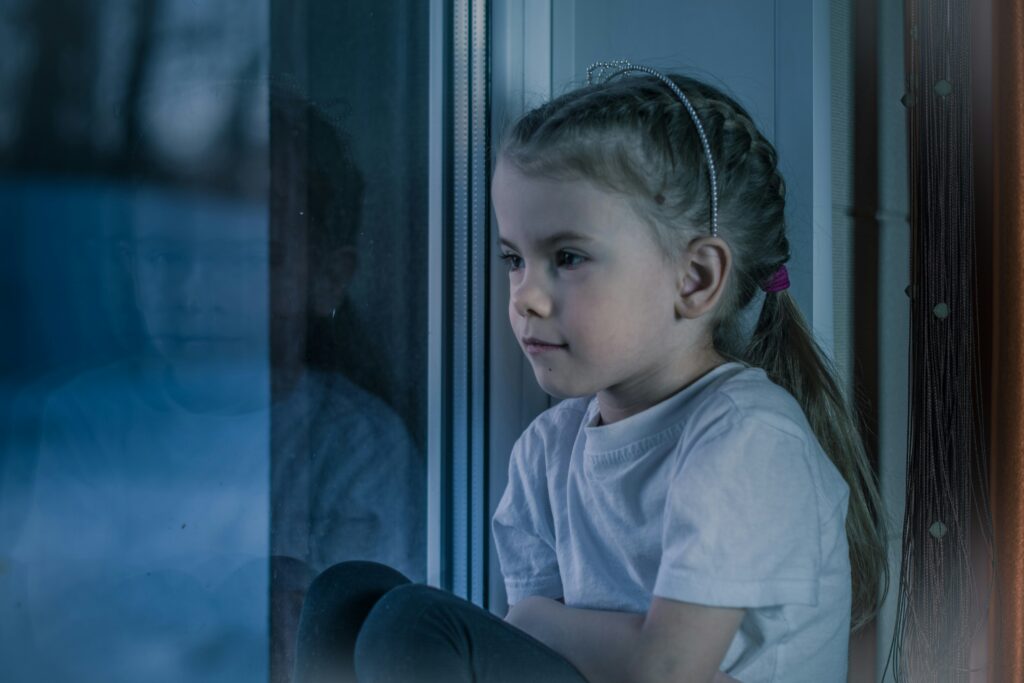
5. The Cycle: How Generational Trauma In Children Goes On Without Parents Knowing
When you have unresolved trauma, you often parent from a place of survival instead of emotional freedom.
This is how the cycle goes on:
1. A parent grows up scared of anger, which makes them avoid conflict, and their child becomes a people-pleaser.
2. A parent who was abandoned as a child becomes overprotective, which makes their child anxious or dependent.
3. A parent who yells a lot when they are young becomes easily upset, and their child becomes afraid of loud voices.
4. A parent grows up shut down and avoids feelings, so their child learns to hide their feelings.
This becomes the “family pattern,” which is like an invisible heirloom.
But you can change the way your family works.
Here is the link to read full articles:
Healing Rituals For Children Worldwide That Help Children Feel Safe
6. How to Stop Passing Fear Down to the Next Generation
To stop generational trauma in kids, parents need to be aware of it. You can’t fix what you can’t see.
Here’s how to break the cycle on purpose and with love:
Step 1: Know what triggers your own trauma
Think about these things:
- Am I afraid of conflict?
- Do I get mad quickly?
- Do I shut down when I’m too much?
- Do I feel nervous when my child cries?
- Does disrespect make me angry?
- Do I make too much of small problems?
These are not problems.
They are “wounds that need to be healed.”
Step 2: Be a Mindful Parent Instead of a Reactive Parent
Stop and think before you react:
- “Is this about my child or my past?”
- “Am I reacting to the moment or to my old wounds?”
- “What does my child need, not what my fear wants?”
A 5-second break can end a pattern that has lasted for 50 years.
Step 3: Talk About Safety, Not Fear
Change parenting messages that are based on fear, such as:
- “You’ll get hurt!”
- “Don’t do that; it’s dangerous!”
- “Stop crying or I’ll give you a reason to cry.”
with:
- “I’m here.” “You’re safe.
Kids stop being afraid of things that have happened in the past when:
Conclusion
It’s true that children can have trauma that lasts for generations, but it’s also true that healing can last for generations. You may have inherited fear, but “you are the generation that can break the cycle.”
By choosing to respond with awareness instead of old patterns, you give your children:
- a safe place to be emotional
- self-confidence
- strength
- a sense of belonging
- a calm home
You are not only raising kids; you are also changing the story of your family.
And your healing sets them free.