
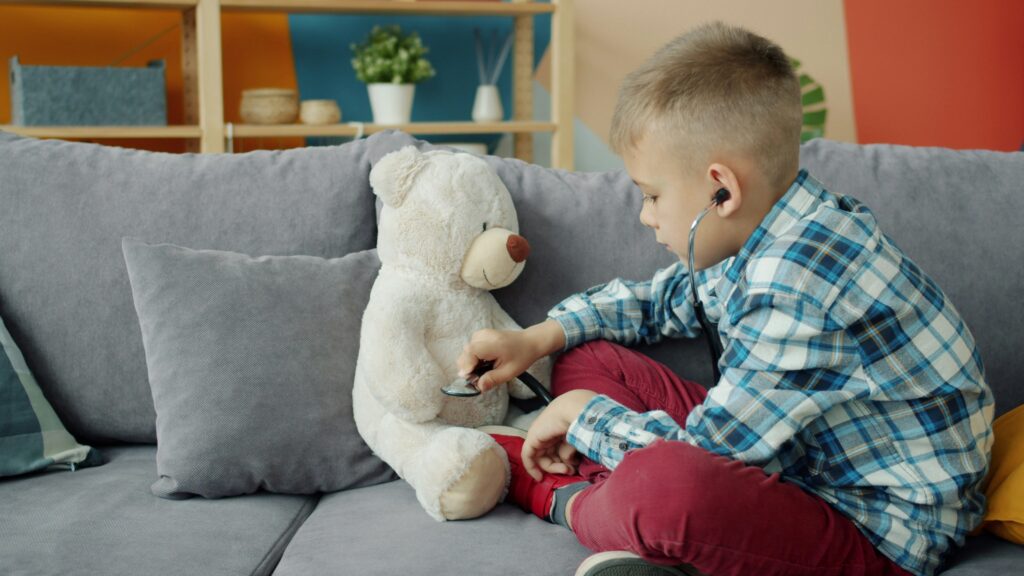
Play therapy with toys benefits children because kids communicate in many different ways—through words, gestures, and facial expressions. However, there are times when they are unable to clearly express what they are feeling inside. Emotions like fear, sadness, or confusion often remain unspoken, and this is where gentle, therapeutic play becomes a powerful tool for emotional expression and healing.
Trauma, anxiety, or anger can show up without any signs, which can make it hard for parents and caregivers to know how to help. This is where “play therapy with toys benefits”really comes in handy. Children can show feelings that are too complicated or painful to put into words through structured and guided play. Toys can help kids heal by giving them a safe place to explore, think about, and let go of feelings they can’t put into words.
Play therapy is not just “fun and games”; it is a therapeutic technique that uses the way children naturally talk to each other. Therapists and parents can learn about a child’s inner world and help them build coping skills, resilience, and self-awareness by watching and playing with toys.
1. Learning about play therapy with toys benefits
Play therapy is a type of psychotherapy that uses play to help kids talk about their feelings, deal with tough situations, and feel better emotionally. Children often don’t have the words to express complicated feelings in talk therapy, which is different from regular talk therapy. “Toys become symbolic tools”that they can use to show fear, anger, sadness, or confusion.
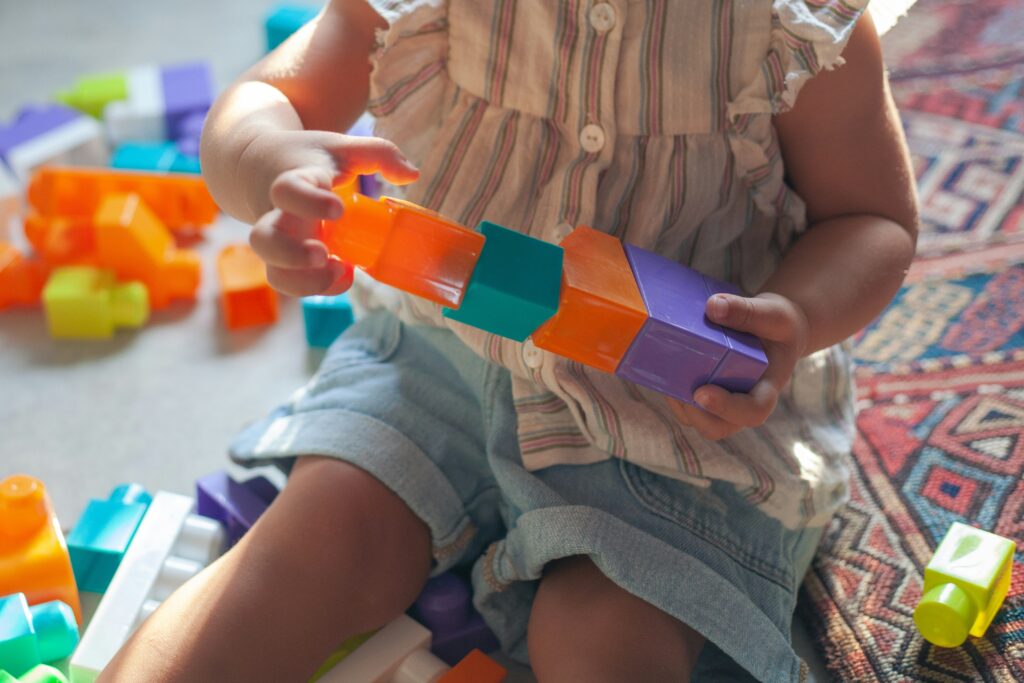
Therapists who are trained in play therapy watch how a child plays with toys like dolls, action figures, sand trays, or building blocks. These interactions show how people feel, how they relate to each other, and what they do that worries them. The most important thing is that kids feel safe and understood, which lets them heal naturally through play.
2. How toys help kids show their feelings
Representing Symbols
Kids can act out situations symbolically with toys. For instance, a child might use dolls to act out fights or situations that happen at school or in the family. They can safely show their fear, anger, or helplessness through these symbolic interactions.
Safe Exploration
A toy takes kids away from real life, which makes them feel safe. They can look into feelings and situations that might be too much to handle if they face them head-on. For example, a child who is scared of losing a parent might use figurines to act out separation scenarios. This helps them deal with their anxiety in a safe way.
Dealing with trauma
Kids who have been hurt often have pain that they don’t talk about. Play therapy with toys helps these kids by giving them a way to express and deal with their feelings without talking. Puppets, clay, and art supplies are some examples of toys that help kids express their feelings, which helps them heal and lowers their stress.
3. The kinds of toys that are used in play therapy
Some toys are better for therapy than others. Picking the right toy can help meet certain emotional needs.
Dolls and Action Figures
These are good for role-playing, acting out social situations, and talking about how you feel about relationships. Therapists can better understand a child’s inner world when they project their feelings onto the characters.
Sand Trays and Little People
Children can make scenes with small figures in sand tray therapy. This method is especially helpful for talking about trauma or fears that are hard to put into words. The feel of sand on your skin is also a calming sensory experience.
Art Supplies and Modeling Clay
These things help kids be creative and are especially helpful for kids who have trouble talking. Children can express their complicated feelings by drawing or sculpting them.
Board Games and Toys That You Can Play With
Some types of therapeutic play are all about “cooperation and social skills”. Games that require kids to take turns, negotiate, or work together teach them how to solve problems, be patient, and understand other people’s feelings.
4. Advantages of Play Therapy Utilizing Toys
The “benefits of play therapy with toys” are emotional, social, and cognitive:
Emotional Benefits
Gives you a way to let out feelings that you have been holding back or not saying. Lowers anxiety, fear, and frustration. Increases self-awareness and emotional intelligence.
Benefits for Behavior*Helps kids deal with anger, aggression, or impulsivity. Teaches kids how to deal with stress and tough situations. Encourages kids to solve problems through structured play scenarios.
Benefits for Society
Makes it easier to talk to people and get along with them. Teaches kids to be empathetic by letting them see things from different points of view through role-play. Helps kids resolve conflicts with peers or family members.
Benefits for the Mind
Encourages creative thinking and imagination. Helps kids think critically as they deal with social or emotional situations. Helps kids remember things and tell stories through play.
5. Who Can Benefit from Play Therapy
Play therapy can help a lot of different kinds of kids:
- Children who have been through trauma abuse, neglect, or sudden changes in their lives.
- Children who are anxious or depressed and have trouble expressing their feelings.
- Kids who have trouble with their behavior, like being aggressive, disobedient, or having trouble making friends.
- Children with developmental disorders like autism spectrum disorders — who do better with structured, symbolic play.
- Grieving children using expressive play to deal with the death of a loved one or a pet.
Because play is universal, almost any child can benefit from therapeutic, guided play with toys.
6. What the therapist or parent does
Toys are the medium, but a trained therapist or a mindful parent must be there. They watch, help, and guide the healing process:
Observation: Therapists watch how people play, what they choose, and how they feel.
Guidance: They give kids toys or situations that make them think about their feelings.
Reflection: Kids think about their play and start to connect it to real-life feelings through gentle conversation.
Safety: They make a safe space where kids can be themselves without worrying about being judged.
Parents can also do informal therapeutic play at home by giving their kids toys and space to express themselves while also giving them gentle guidance and attention.
Here is the link to read more articles:
Generational Trauma In Children: How to Stop Passing Fear
7. Examples from real life of how play can help you heal
Example 1: Acting out family relationships
A child who saw their parents fight might use dolls to act out the fights. With guided play over time, they start to try out “peaceful resolutions” and learn how to handle conflict in a healthy way.
Example 2: Dealing with Loss
A child who is sad about the death of a pet may pretend to take care of toys, which lets them show their sadness and say goodbye in a safe and structured way.
Example 3: Dealing with anxiety
A child who is afraid of being away from home might use puppets to act out leaving home. This symbolic practice lowers fear, boosts confidence, and helps them talk about their feelings.
8. Ideas for parents to help with play therapy at home
Even though professional help is important, parents can help their children heal in simple ways:
1. Give them a lot of different toys, like dolls, figurines, art supplies, and sand trays.
2. Make a safe place for the child to play, like a quiet corner.
3. “Watch without judging” means not interrupting or directing the play too much.
4. “Can you tell me what’s going on with the toys?” is an open-ended question.
5. Validate emotions acknowledge how they feel when they play: “I see your doll is sad; that must be hard.”
6. Be consistent: regular, calm interactions build trust and emotional safety.
7. Encourage storytelling this helps kids talk about their feelings in a clear way.
9. How Play Therapy Helps Parents
Parents often see that they understand their child better:
- A better understanding of what makes you feel bad and what scares you.
- Play that is meaningful and shared can help parents and children connect more.
- More sure of how to deal with behavior problems.
- Knowing what the child is good at and how to help them get better at it.
Parents not only help their child by watching and playing with them, but they also learn how to “communicate more empathetically and effectively.”
10. Things to Think About and Problems
Play therapy works, but there are some problems with it:
Misunderstanding play: Not all play means something is wrong; context and guidance are important.
Over-directing: If you steer play too much, it can stop people from expressing their true feelings.
Patience needed: Healing through play takes time, and emotional breakthroughs may take even longer.
Professional help: If you have trauma or serious behavior problems, you need a licensed play therapist.
Knowing these things will help keep play healing instead of frustrating.
11. Proof that play therapy works
Studies show that play therapy lowers anxiety, helps people express their feelings, and makes them better at socializing. The field is growing, but research shows that kids get the most out of toys when they are used on purpose and with the help of trained adults.
Kids learn how to control their emotions, solve problems, and deal with difficult situations, and they keep these skills even after therapy ends. Play is non-verbal, so even kids who don’t talk much or have been through a lot of trauma can benefit a lot.
12. Including Play Therapy in Your Daily Life
Daily “play breaks”: Give 15 to 30 minutes of free or structured play time.
Tools for expression: Make sure art, clay, or figurines are easy to get to.
Reflection moments: After playing, ask the child to talk about the story or feelings that went into the situation.
Collaborative play: Parents joining in every now and then strengthens the bond while giving kids freedom.
Look for patterns: Over time, the same themes in play can show hidden worries, joys, or fears.
Being consistent and paying attention to what you’re doing will help you get the most out of play therapy with toys.
Final Thoughts
Play is how kids naturally communicate, and when done with purpose, it can be a “powerful way to heal pain that isn’t spoken”. Toys are not just things to play with; they are also tools for “exploring and growing emotionally”. Kids learn how to deal with their feelings, become more resilient, and get closer to their caregivers through play therapy.
This method is used by parents and therapists to make a “safe, understanding environment” where people can work through their feelings and fix their relationships. Every doll, block, or clay figure helps you understand, express yourself, and heal.
If you want to help your child’s emotional growth, think about adding “play therapy with toys benefits” to your parenting style. Sometimes, healing can start where words fail, and play is the language of the heart.